
ALEYE Benefits
Understand every unspoken interaction
Have you ever wanted to know when someone is walking away, going for a handshake, or smiling? Those critical nonverbal cues are what ALEYE makes accessible.
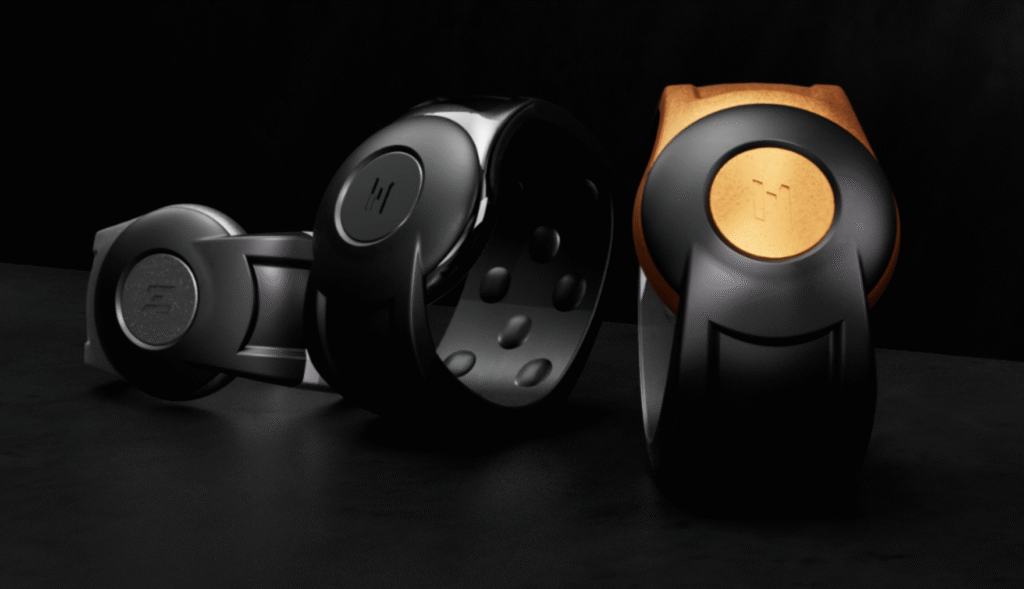
ALEYE translates nonverbal communication cues into real-time haptic feedback, allowing people who are blind, low vision, autistic, or deafblind to understand facial expressions, gestures, and body language through touch.
Built by a team that lives this problem.
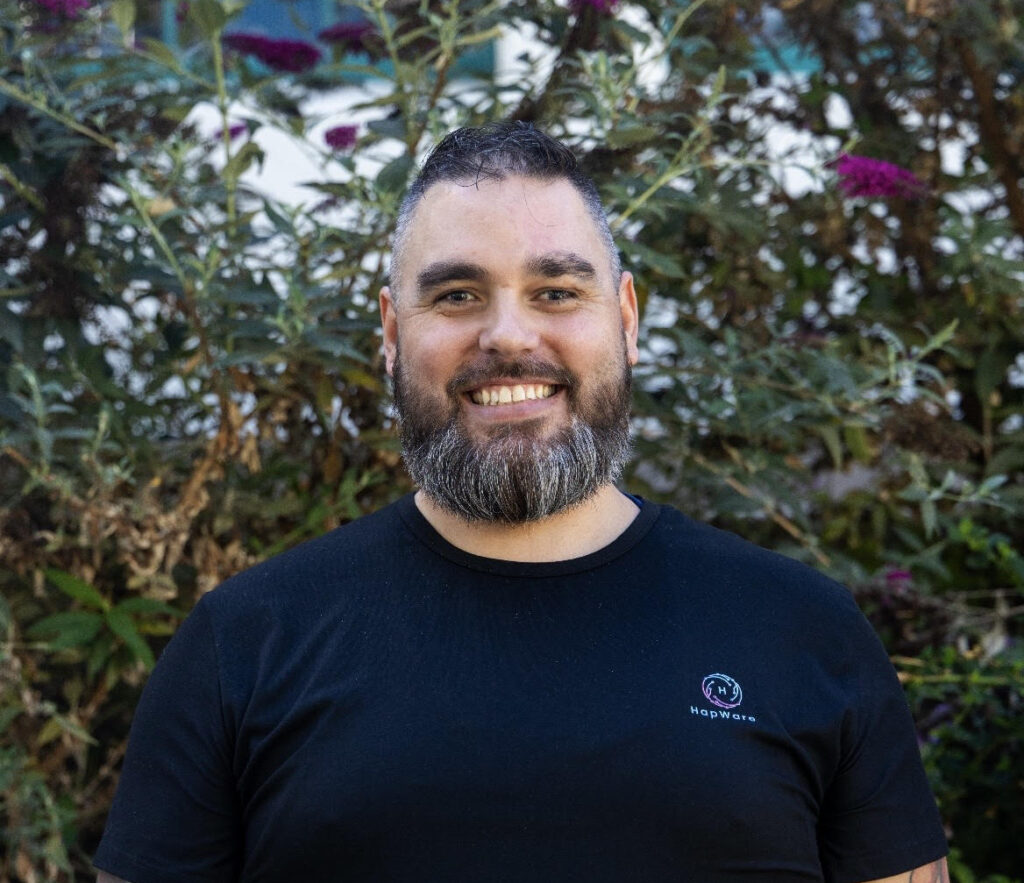
Our CTO and co-founder, Dr. Bryan Duarte, is one of approximately 20 people in the world who is blind and holds a PhD in Computer Science. He became blind at the age of 18 and went on to build a distinguished career at the intersection of advanced computing and accessibility. His lived experience, combined with deep technical expertise, brings rare insight into designing technology that is both cutting-edge and truly inclusive.
ALEYE helps you walk into any professional, educational, and social environment with confidence.
Imagine walking into a job interview, a classroom discussion, or an important meeting. The person across from you nods, smiles, or leans forward, but those subtle moments can be easy to miss. ALEYE interprets these nonverbal cues in real time and delivers them through gentle, discreet haptic feedback.

Designed for real life, not just the lab.
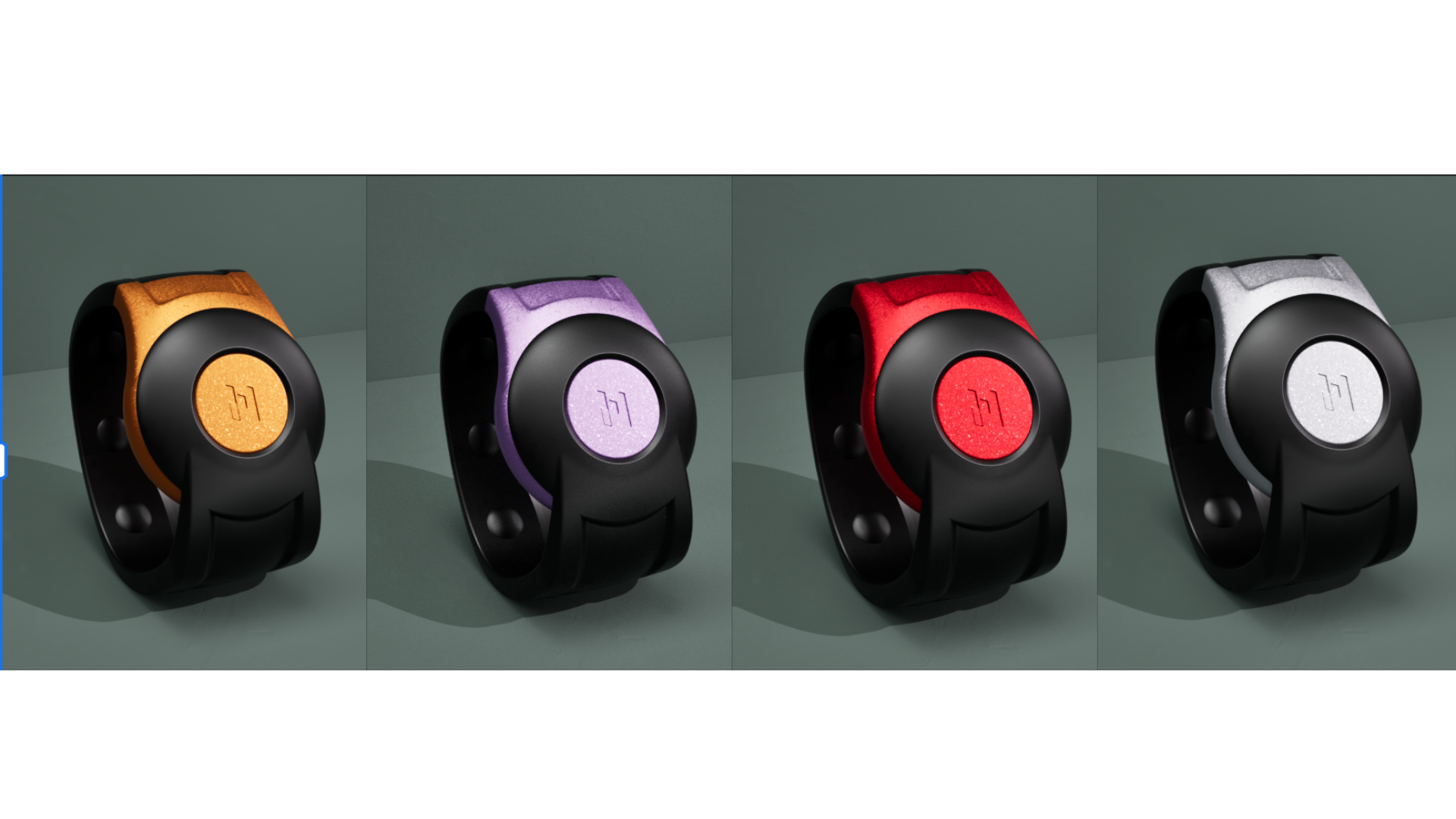
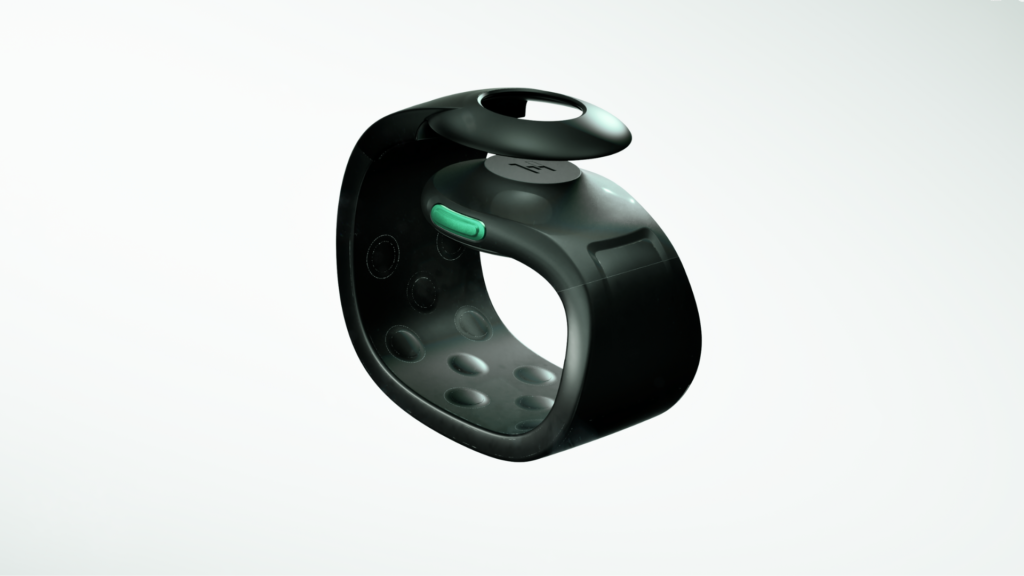
ALEYE is made to be worn every day, in the moments that matter most: first dates, job interviews, classrooms, meetings, and time with family. It’s lightweight, discreet, and designed to blend seamlessly into your personal style.
Design isn’t an afterthought. It’s part of the mission. ALEYE fits naturally into your life, so the focus stays on you and the moment, not the technology you’re wearing.
ALEYE gives you access to the people in your life
Some of our users are saying:
“I have a five-year-old granddaughter, and I’ve never seen her face. I want to see her smile.”
“As a newly blind person, ALEYE is sorely needed. In social interactions, the understanding of nonverbal cues is missing from how I interact with people.”
“This would be great for social settings – I often mistakenly think people are talking to me and join the wrong conversation.”